Cat Overgrooming and Spraying: Could Your Cat Be Stressed?
Cats are very sensitive to their environment, but they’re also good at hiding when something is wrong. As a result, it can be easy to miss the signs of stress in cats, like overgrooming or urinating outside the litter box. Knowledge is key to helping your feline friend, so read on to learn what signs to look for and how to reduce stress in cats.
Cats are fastidiously clean, so it’s not unusual to see your cat grooming themselves regularly. However, cat overgrooming – very frequent or long grooming sessions – can be a sign that your cat is anxious or stressed. Grooming releases feel-good endorphins that can help the cat to self-soothe, but for some cats this behavior can become compulsive.
Urinating outside of the litter tray is another possible sign of stress in cats. Some urine diseases may also lead to this sign so you’d better check with your veterinarian before concluding this is a stress issue.
Cats may urinate outside of the litter tray due to stressful changes to their toileting environment. These might include a dirty litter tray, a change of location or type of litter, an increase in noise, or any other environmental change that could disturb your cat. In this case, cats will usually urinate on horizontal surfaces like carpets and floors.
If you notice your cat urinating deliberately in the home, mostly on vertical surfaces, they could be marking or spraying. This refers to a type of marking, where cats spray urine onto a vertical surface, like a wall. Urine contains pheromones unique to your cat, so urinating can be a way to “mark their territory” to other cats.
Changes in behavior can be an indication that your cat is stressed. Here are some examples:
- Excessive scratching of objects or surfaces.
- Excessive meowing or howling
- Withdrawing or hiding.
- Aggression towards people or pets.
- Reluctance to come inside or go outside.
- Increased vigilance and “jumpiness.”
- Lack of responsiveness.
- Wanting much more or less affection than usual.
- Loss of interest in play or hunting.
Every cat is different; the key is to know what’s normal for your cat so you can spot when something changes. That way, you can quickly pick up on any signs of stress and give them the support they need.
To calm an anxious cat, you’ll need first to identify the stressor. Here are some of the most common causes of stress and anxiety for our feline friends:
- Other pets being introduced to the home.
- Competition for resources with other cats.
- Unfamiliar cats on the property.
- Aggressive behavior from strays or unneutered cats.
- Lack of quality nutrition, fresh water, play or exercise.
- A dirty or cramped litter tray.
- Noisy eating, resting or toileting areas.
- Unwanted attention or rough handling.
- New household members, especially children and babies.
- A house move or renovation.
- Lots of guests.
- Changes in routine, e.g. working from home.
The next step is to make positive changes to eliminate or minimize the impact of the stressor. For example, you could:
- Provide your cat with plenty of quality food and fresh water.
- Provide one more litter tray, bowl and bed than the number of cats in the home.
- You should have one litter tray per animal and floor. Dirty litter should be removed every day and the litter tray completely cleaned every week with soft soap. Avoid litter trays with flap doors that may frighten your cat.
- Keep litter trays away from food and water bowls, and keep both in quiet areas.
- Make sure the litter tray is of a decent size and regularly cleaned.
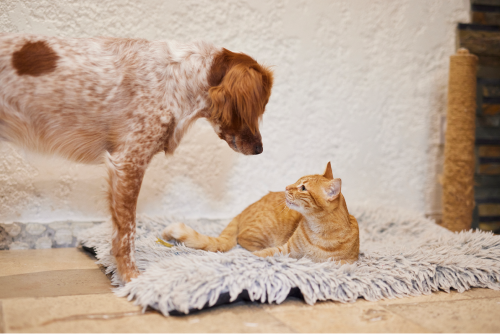
- Introduce new pets in a slow and controlled manner.
- Provide plenty of toys and activities for mental stimulation.
- Provide lots of space to run and play, along with hiding places and high spots for climbing.
- Give your cat a quiet, safe space to retreat from potential stressors.
- Use window screens and microchip pet doors to keep other cats out.
- Consider housing sensitive cats with friends or a trusted cattery during stressful times like a new home move.
- Keep routines as predictable as possible, especially during times of change.
- Entertain guests away from your cat’s “quiet spot” and encourage them to give your cat space.
- If you’re welcoming a new baby, get your cat used to the changes before the arrival. For example, get them accustomed to the new items, furniture and home layout, and play baby noise recording to familiarize them with the new sounds.
- Always supervise children and babies around your cat and guide them on gentle handling and space.
- Use pheromone products to calm your cat.
As mentioned earlier, cats deposit pheromones in their urine to let other cats know that this is their territory. But cats also deposit pheromones via facial glands to mark things in their environment as “safe.” That’s why your cat will often rub their face on you, your furniture, or even other pets. When they catch that familiar scent, they know they’re in safe territory.
Artificial pheromones mimic this natural calming effect, making your cat feel safe and secure. They come in a range of products designed for different uses, such as sprays, collars, wipes and diffusers. You can find out more about how pheromones can help your cat in our in-depth article Exploring Pheromone Solutions for Calming and Relaxing Cats.
The signs of stress can be mistaken for the signs of other illnesses. For example, cat overgrooming can be caused by allergies, flea infestation, or other skin conditions, while urinating outside the litter box can be caused by kidney, urinary tract diseases or diabetes.
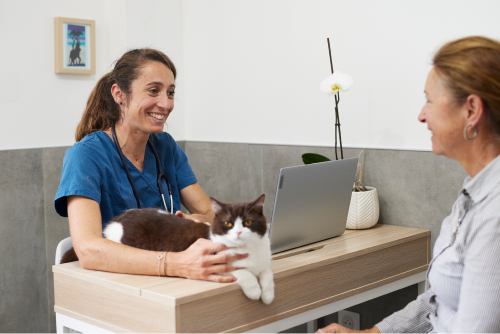
That’s why we always recommend a visit to your veterinarian if you notice stress-related signs in your cat. This is especially important if your cat is showing signs like pain, bloody urine, diarrhea or weight changes. Your vet will be able to diagnose and treat any underlying illnesses, and will be able to recommend a behavioral specialist if needed.
Cats are highly sensitive creatures that can be very vulnerable to stress, but the signs can vary greatly from cat to cat. Knowing what’s normal for your cat, remaining vigilant to changes, and acting quickly is essential for helping them to feel calm and secure again.